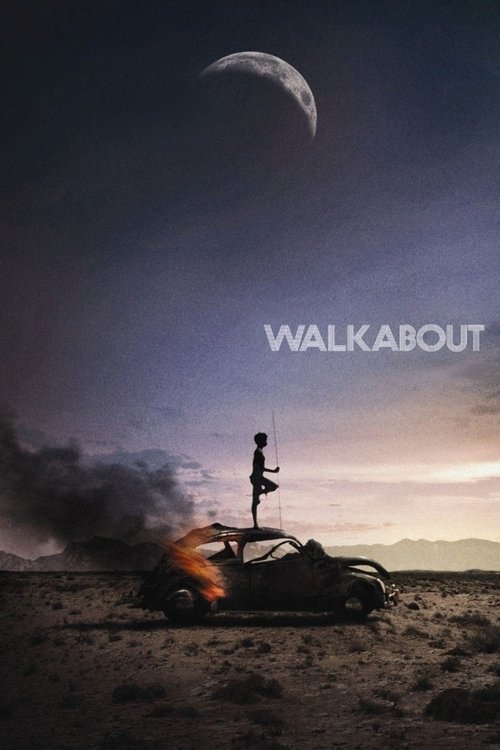
Walkabout
A boy and girl face the challenge of the world's last frontier.
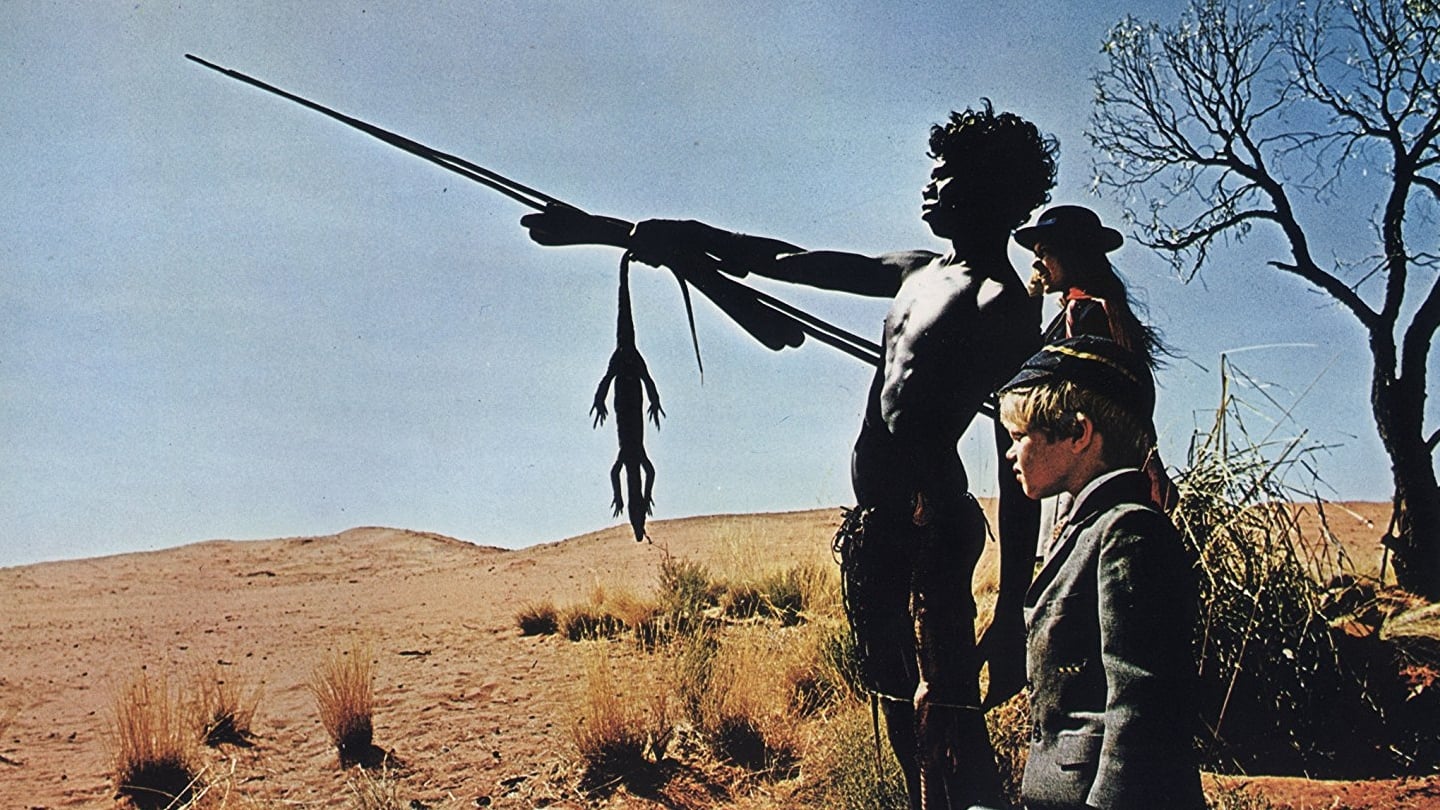
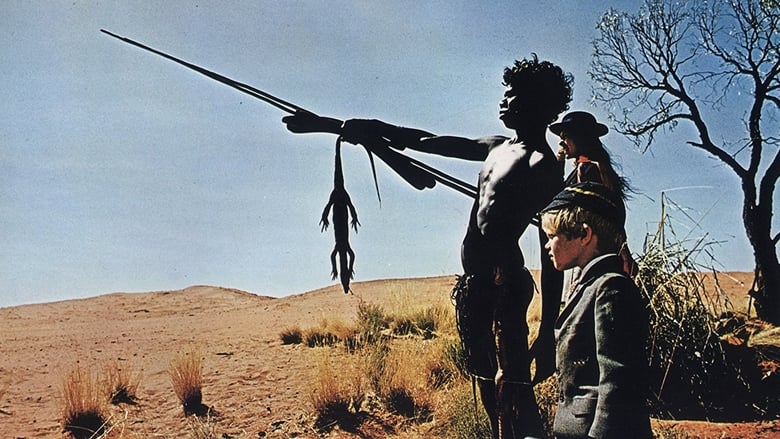
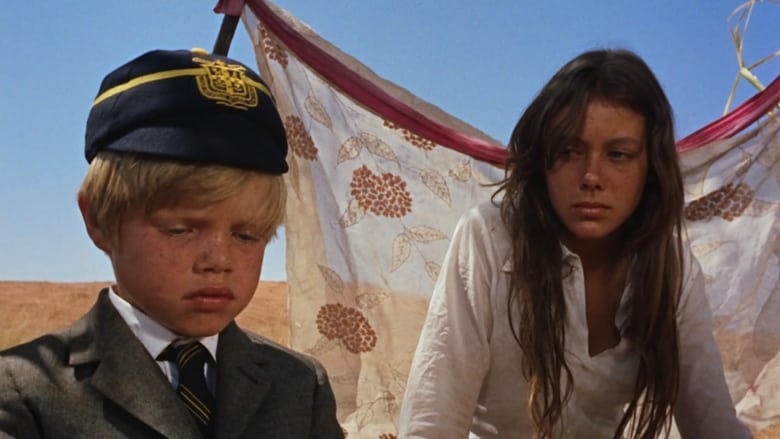
Under the pretense of having a picnic, a geologist takes his teenage daughter and 6-year-old son into the Australian outback and attempts to shoot them. When he fails, he turns the gun on himself, and the two city-bred children must contend with harsh wilderness alone. They are saved by a chance encounter with an Aboriginal boy who shows them how to survive, and in the process underscores the disharmony between nature and modern life.
Runtime
1h 35m
Language
EN
Budget
$1M
Revenue
Undisclosed
Cast
Faces behind the story
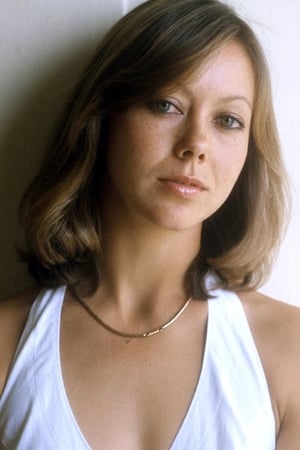
Jenny Agutter
Girl

Luc Roeg
White Boy
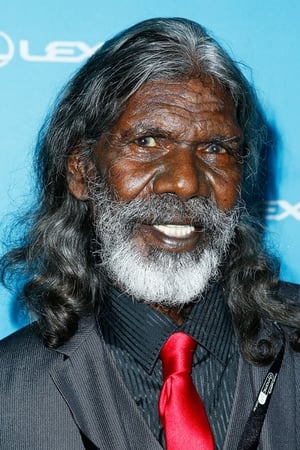
David Gulpilil
Black Boy
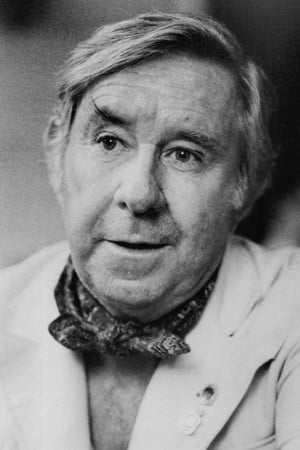
John Meillon
Man
Robert McDarra
Man
Peter Carver
No Hoper
Geser ke samping untuk melihat lainnya.
Gallery
Frames that sell the world

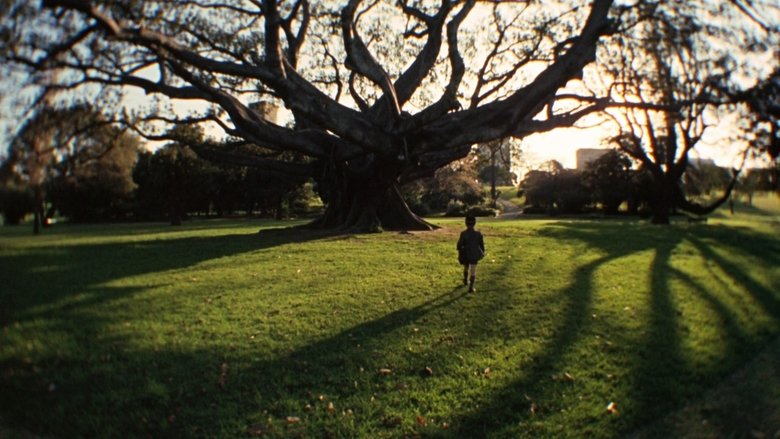
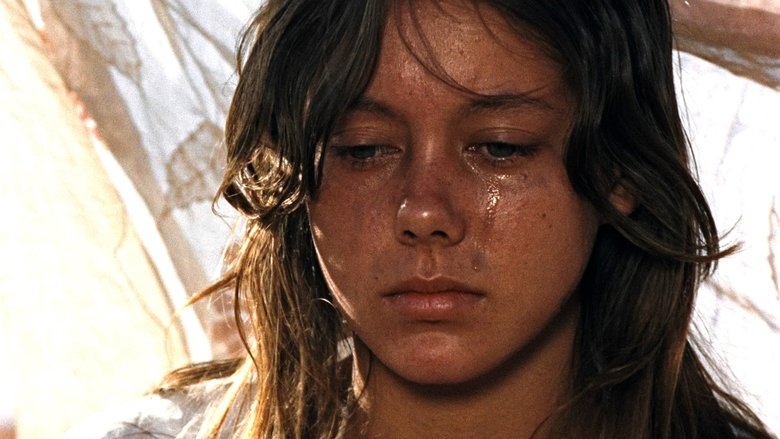
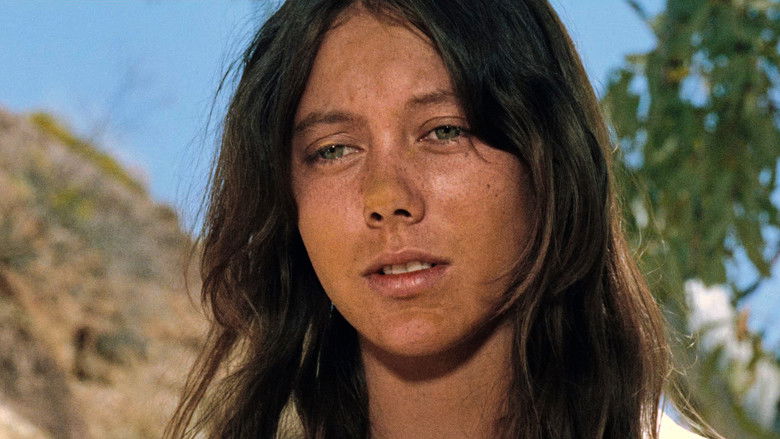
Reviews
Audience signals
_**Arty flick about survival in the Outback and coming-of-age**_ A teenage girl (Jenny Agutter) and her little brother get stuck in the Outback, but receive assistance by an aboriginal boy (David Gulpilil) on a ‘walkabout,’ a rite of passage into manhood. Directed by Nicolas Roeg, “Walkabout” (1971) is an arty cult flick that plays like a Terrence Malick film and no doubt influenced his style (since it came out two years before Malick’s feature film debut with “Badlands”). Agutter was only 16 during shooting while her character is 14, according to Roeg. The themes about the beauty of nature vs. man-made desecration and the clash of the primitive with the ‘cultured’ & the problems of communication thereof were probably fresh at the time but are obvious and old hat now. "Dances With Wolves" tackled the same issues almost 20 years later. Still, this is an artistic piece with loads of awesome nature footage, plus it’s interesting to see Agutter so young in the bush. It’s a must if you appreciate movies like “Picnic at Hanging Rock” (1975) or anything by Terrence Malick. David Gulpilil went on to appear in such notable flicks as “Crocodile Dundee” (1986) and “Australia” (2008). The film runs 1 hour, 40 minutes, and was shot in Sydney, Finders mountain range, the red desert surrounding Alice Springs and (supposedly) areas never traveled by Caucasians up to that point. GRADE: B
"We are all one blood. No matter where we are from, we are all one blood, the same." —David Gulpilil Summary: 7/10: Uneven direction cannot diminish the landmark debut of David Gulpilil, whose grace and intelligence anchor a film that's really about the colonial destruction of wilderness and the particular genius of what was lost. Walkabout marks the screen debut of one of the most luminous talents cinema has known. David Gulpilil was sixteen years old when British director Nicolas Roeg discovered him in Arnhem Land, a Yolngu boy who could barely speak English but was already an accomplished hunter, tracker, and ceremonial dancer. Over the next fifty years, Gulpilil would become Australia's greatest actor, leading a dance company for a decade, winning awards for his performances on stage and screen, and writing two volumes of children's stories that preserve Yolngu folklore for future generations. In this first role, he shows us everything he would become: the physical grace, the emotional intelligence, the capacity to communicate across the chasm of language through movement and presence alone. Girl and White Boy (Jenny Agutter and Luc Roeg) are equally fine in their roles, particularly in conveying the terror and bewilderment of children stranded without skills or understanding in country that seems determined to kill them. But this is Gulpilil's film, and his Black Boy is its beating heart. Some critics read Walkabout as a parable of Eden, innocence lost to experience. I see something far more political and far more urgent. This is a film about the destruction of wilderness by white colonizers, and the particular methods by which that destruction has always proceeded. Early in the film, we watch the land provide everything needed for survival and well-being: water, food, shelter, knowledge. Gulpilil's character moves through this landscape with the confidence of someone who belongs to it, who knows its rhythms and requirements. He saves the white children not through domination but through intimate understanding. Then come the white men with their rifles, shooting animals for sport and leaving carcasses to rot in the sun. It's the same genocidal logic that drove Buffalo Bill and the U.S. Army in the American West, where an estimated sixty to seventy million buffalo were slaughtered down to a few thousand between 1850-1900, not for food, not for necessity, but as deliberate policy to starve Indigenous peoples into submission. The strategy was explicit: kill the resource, kill the culture, kill the people. The film's final images linger with me. Girl, now a woman in a cramped city apartment, married to a man who likely doesn't earn enough, stares into middle distance and remembers: swimming naked in clear water, food appearing as if by magic (though it was knowledge, not magic), life moving at the pace of calm rather than desperation. Everything the land offered freely has been replaced by scarcity, by walls, by the grinding machinery of "civilization." Director Roeg's editing and structural choices sometimes fog the narrative when clarity would serve the story better; the film occasionally mistakes obliqueness for profundity or art. But these are quibbles against a work that understands something essential about what was lost when the colonizers arrived with their certainty that wilderness existed to be tamed, that Indigenous knowledge was primitive superstition, that the only valuable relationship to land was extraction and ownership. Gulpilil's performance transcends these occasional missteps. Watch how he moves, how he reads the landscape, how he protects these lost children even as he recognizes, in ways the film only partly articulates, that they represent the culture that will destroy his own. His final ceremonial dance is an elegy performed for an audience that cannot comprehend what they're witnessing. We are all one blood, Gulpilil insisted throughout his life. The tragedy of Walkabout is that it took a sixteen-year-old Yolngu boy to show us what we refused to see: that the land knew how to provide, that Indigenous peoples understood what colonizers could not, that what we called progress was often just destruction by another name.
Recommendations
Films that continue this mood and momentum.
Rabbit-Proof Fence
2002 / Adventure, Drama
Into the Wild
2007 / Adventure, Drama
Wildlike
2015 / Adventure, Drama
The Emerald Forest
1985 / Action, Adventure
White Water Summer
1987 / Adventure, Drama
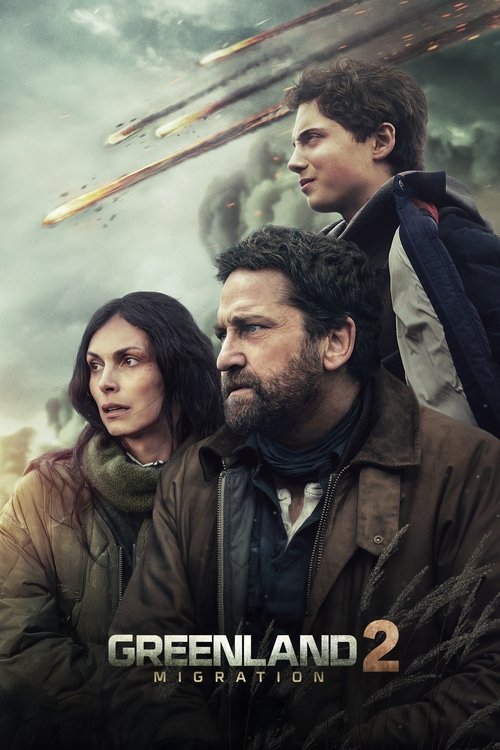
Greenland 2: Migration
2026 / Adventure, Thriller
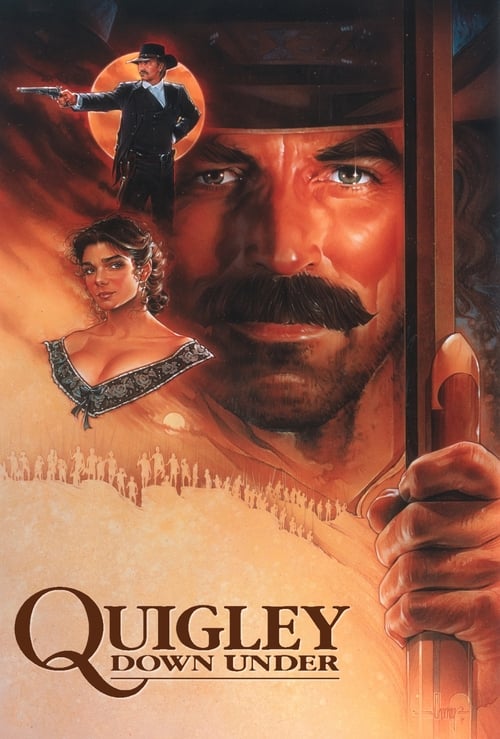
Quigley Down Under
1990 / Western, Adventure

Lost on a Mountain in Maine
2024 / Adventure, Drama
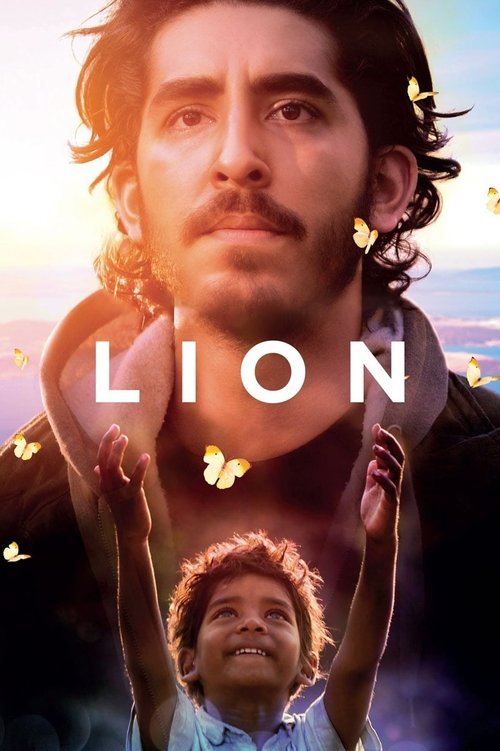
Lion
2016 / Drama

In My Father's Den
2004 / Drama, Mystery

Good One
2024 / Drama

Far from Home: The Adventures of Yellow Dog
1995 / Action, Adventure
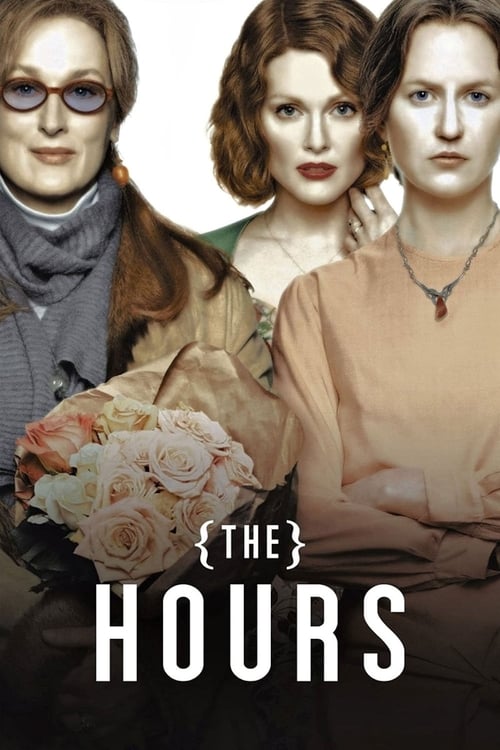
The Hours
2002 / Drama
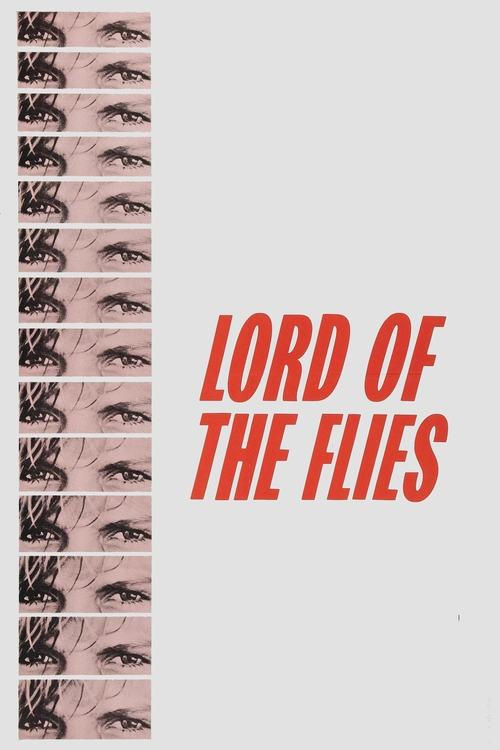
Lord of the Flies
1963 / Drama, Adventure
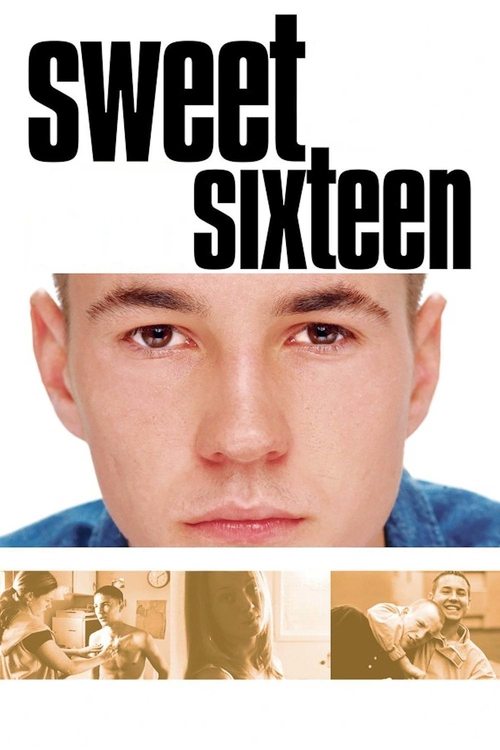
Sweet Sixteen
2002 / Crime, Drama
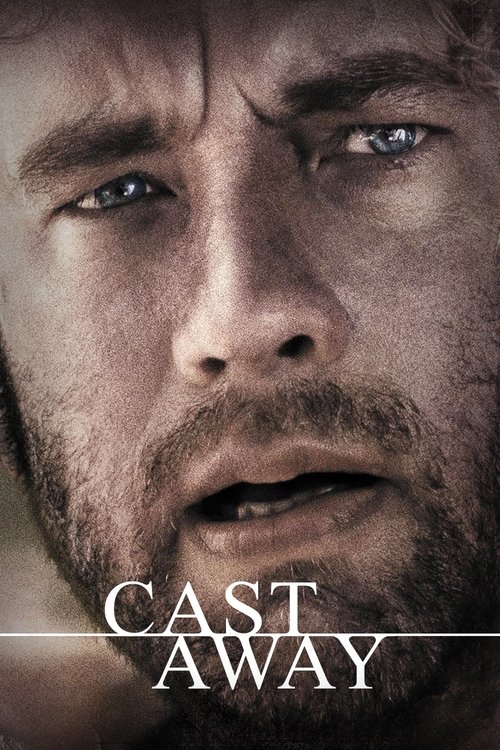
Cast Away
2000 / Adventure, Drama
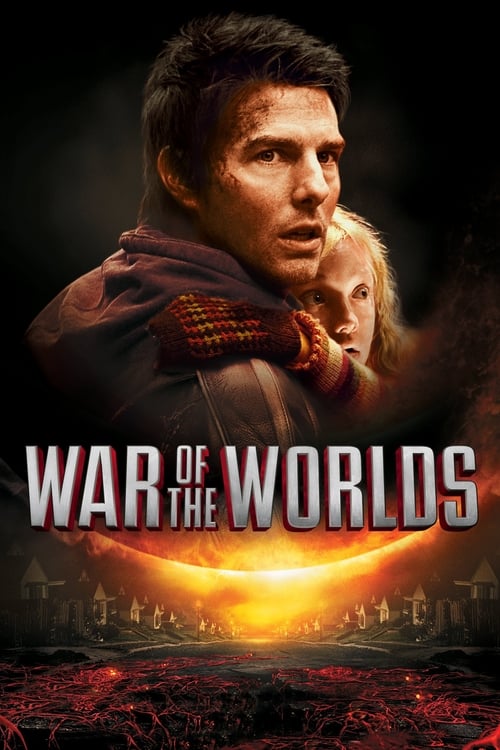
War of the Worlds
2005 / Adventure, Thriller
Nell
1994 / Drama, Thriller
Prayers for Bobby
2009 / Drama, History
On Her Majesty's Secret Service
1969 / Adventure, Action
Geser ke samping untuk melihat lainnya.
Similar Movies
Adjacent stories from the same cinematic neighborhood.
The White Warrior
1959 / Action, Adventure
Pomocník
1980 / Drama
The Edge
1997 / Action, Adventure
The Nameless
1999 / Thriller, Mystery
Apt Pupil
1998 / Drama, Thriller
Cleo Is Coming Over Tonight
2023 / Drama
Valašský vojvoda
1973 / History, Drama
The Death Curtain
1960 / Adventure, Crime
Cookie's Fortune
1999 / Comedy, Drama
Celebrity
1998 / Drama, Comedy
Margarete Steiff
2005 / Drama, TV Movie
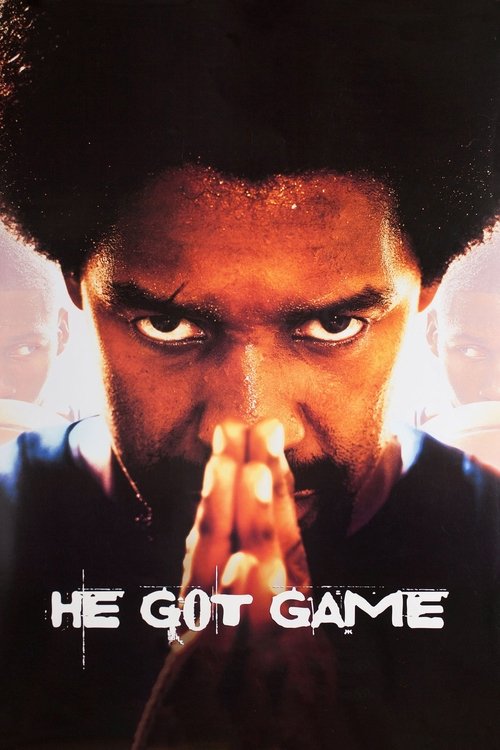
He Got Game
1998 / Drama

Alice in Wonderland
2025 / Fantasy, Adventure

Days of August
2025 / Romance, Drama
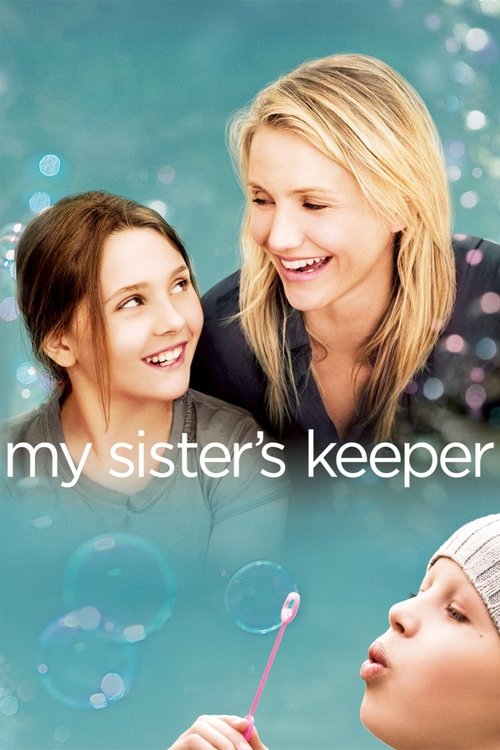
My Sister's Keeper
2009 / Drama
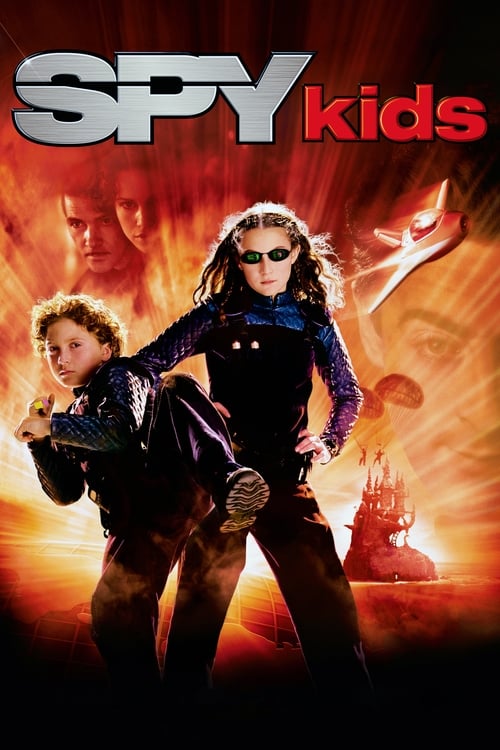
Spy Kids
2001 / Family, Action
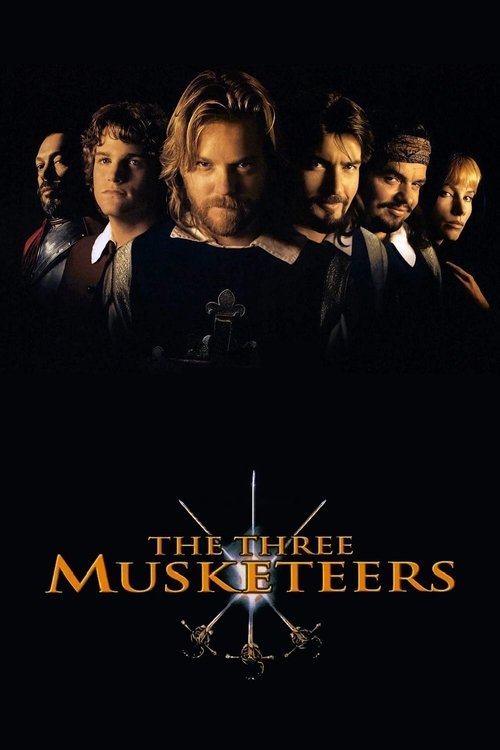
The Three Musketeers
1993 / Action, Adventure

La Grande Bouffe
1973 / Drama, Comedy
Empire of the Sun
1987 / Drama, History
The Aristocats
1970 / Animation, Comedy
Geser ke samping untuk melihat lainnya.